Best Tablets for Students in 2025: What Actually Works in School
I asked 12 university students what they actually use their tablets for. The answers shaped these recommendations more than any benchmark.

Last semester I spoke with twelve university students across four different majors — engineering, design, medicine, and literature — about how they actually use tablets in school. Not how they think they'll use them when they buy them, but how they actually use them after six months. The answers were humbling.
What Students Actually Use Tablets For
Annotating PDFs and lecture notes (everyone). Digital handwriting for note-taking (most engineering and medical students). Reading papers and textbooks with annotations (literature and medicine). Video calls during study groups (everyone, somewhat reluctantly). Almost nobody was doing heavy creative work — Procreate, video editing — on a daily basis. That information shapes the right recommendation significantly.
For Most Students: iPad (standard) with Apple Pencil
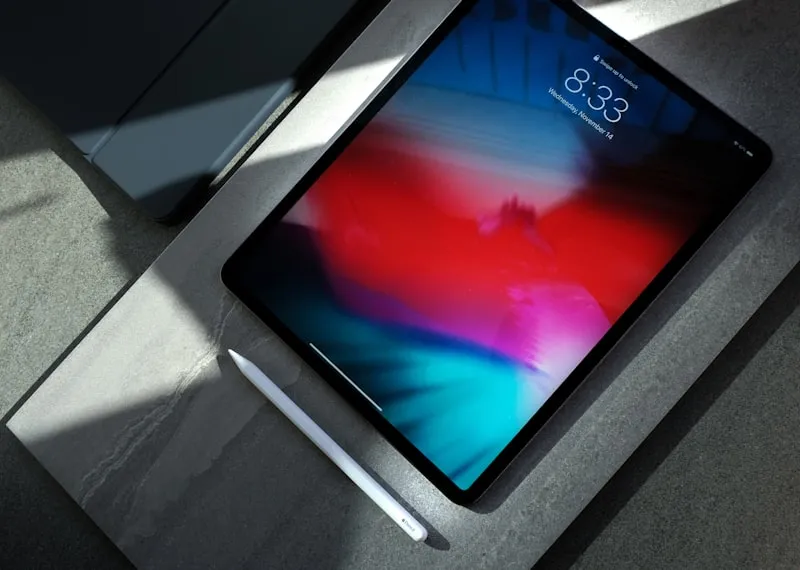
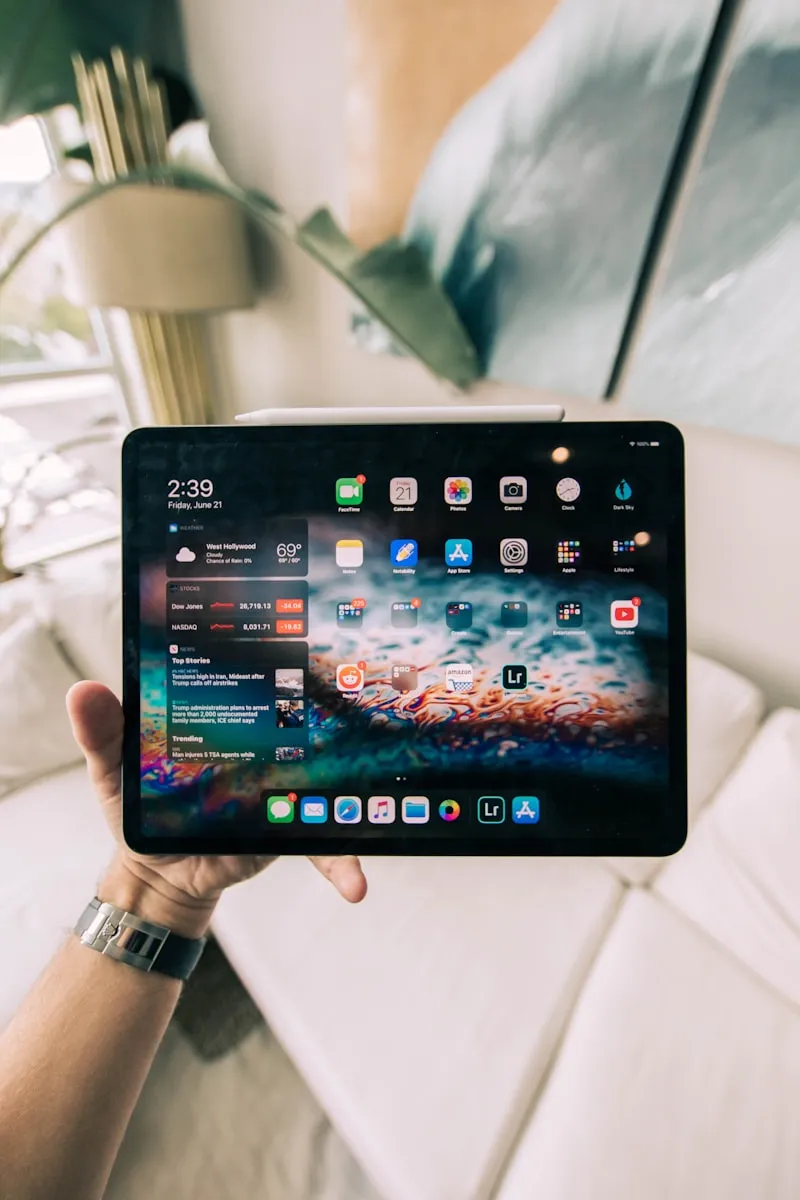
The standard iPad at $329 combined with a first-generation Apple Pencil at $99 gives you the best note-taking experience in a tablet at a student-reasonable price. GoodNotes 5 and Notability are exceptional apps that genuinely rival pen and paper for math and diagram-heavy subjects. The A15 Bionic chip handles every student workflow without hesitation. This is the recommendation for 80% of students.
For Design and Art Students: iPad Pro or iPad Air M2
The iPad Air M2 is a sweet spot for creative students who need ProMotion display and Apple Pencil Pro hover detection but can't justify the iPad Pro price. At $599, it's significantly more affordable while delivering 95% of the Pro experience for stylus-based work.
For Students Who Need Windows: Surface Pro
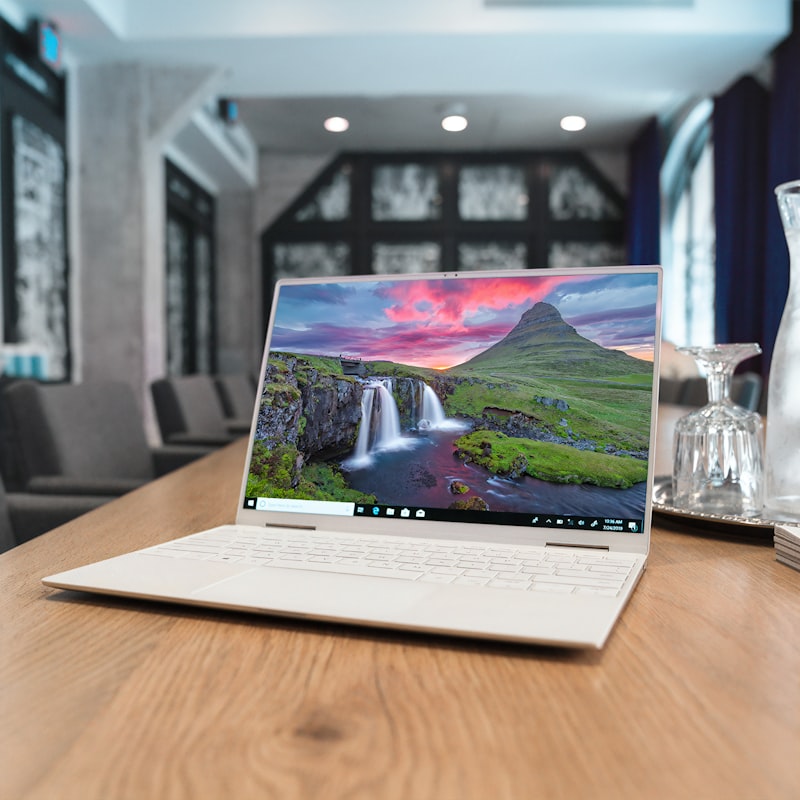
If your program requires Windows software — engineering CAD tools, specific lab programs, discipline-specific applications — the Microsoft Surface Pro is the only tablet in this list that solves the problem completely. Yes, it costs more. Yes, the keyboard cover is sold separately. But if you need Windows, you need Windows, and the Surface Pro does it better than any other tablet form factor.