NVIDIA GeForce RTX 5090 Review: Generational GPU Leap
NVIDIA's flagship Blackwell GPU delivers a staggering performance improvement over the RTX 4090, with AI-powered DLSS 4 making native 4K at 120fps a reality.
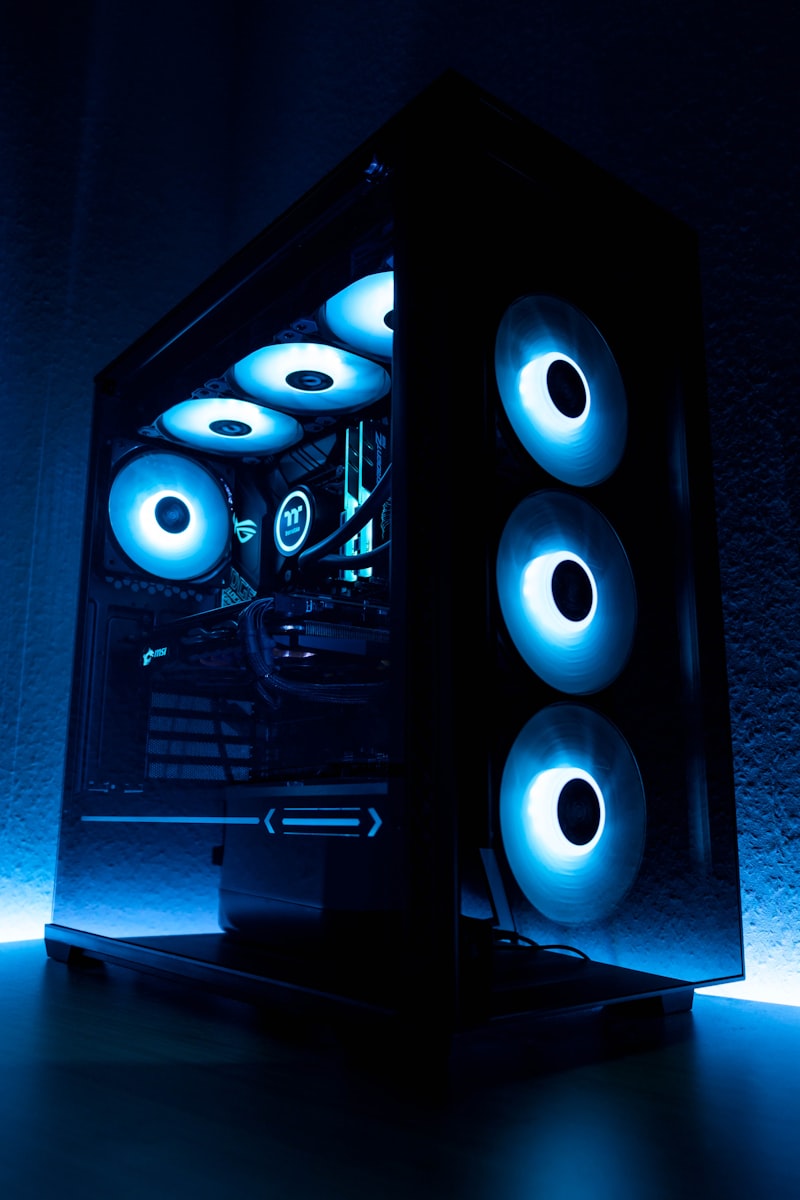
Building a gaming PC for the first time, I made every mistake possible. I bought the wrong CPU cooler. I seated the RAM incorrectly. I stared at a blank screen for 45 minutes before realizing I'd plugged the monitor into the motherboard instead of the GPU. The point is: I know exactly where the confusion lives, and the RTX 5090 introduced new sources of confusion I didn't expect.
The Performance Is Real
In rasterization — the traditional rendering technique that most games use — the RTX 5090 is 30-50% faster than the RTX 4090, depending on the game. In ray-traced titles with DLSS 4 Multi-Frame Generation, the difference becomes surreal. I was running Cyberpunk 2077 at 4K Ultra with full path tracing — something that brought the RTX 4090 to its knees — at 140+ fps with DLSS 4 active. That's not a number I would have predicted possible eighteen months ago.
DLSS 4 Multi-Frame Generation
Here's where I expected controversy and instead found acceptance: Multi-Frame Generation generates up to 3 frames for every 1 real rendered frame. At high input framerates this is mostly imperceptible. The latency addition is real but kept in check by Reflex 2. If your base framerate is already high (60+fps natively), MFG makes your games feel dramatically smoother without introducing noticeable lag. If your base framerate is low, MFG helps less and latency becomes more apparent. Use it accordingly.
Who Should Buy This
Enthusiasts with 4K monitors and money. Content creators who use GPU acceleration for rendering. AI researchers who can expense the hardware. Everyone else: the RTX 5070 Ti at half the price gets you 85% of the performance, which is the genuinely smart buy of this generation.