E-Reader vs Tablet for Reading in 2025: A Reader's Honest Opinion
I read about 40 books a year. I've owned both tablets and e-readers. The answer to 'which is better for reading' is simpler than the debate suggests.

If you read for more than 30 minutes a day and you're doing it on a backlit LCD or OLED screen, I want to show you something. Buy or borrow a Kindle Paperwhite. Read the same book on it for one evening. Then tell me your eyes feel the same afterward. They won't.
The E-Ink Difference Is Real
E-ink displays work fundamentally differently from traditional screens. They reflect ambient light like paper instead of emitting their own light. Your eyes don't have to process the constant refresh cycle of an LCD or OLED. For long reading sessions — especially at night — the difference in eye strain is noticeable after about an hour and pronounced after three. This isn't marketing language. It's physics.
What Tablets Do Better
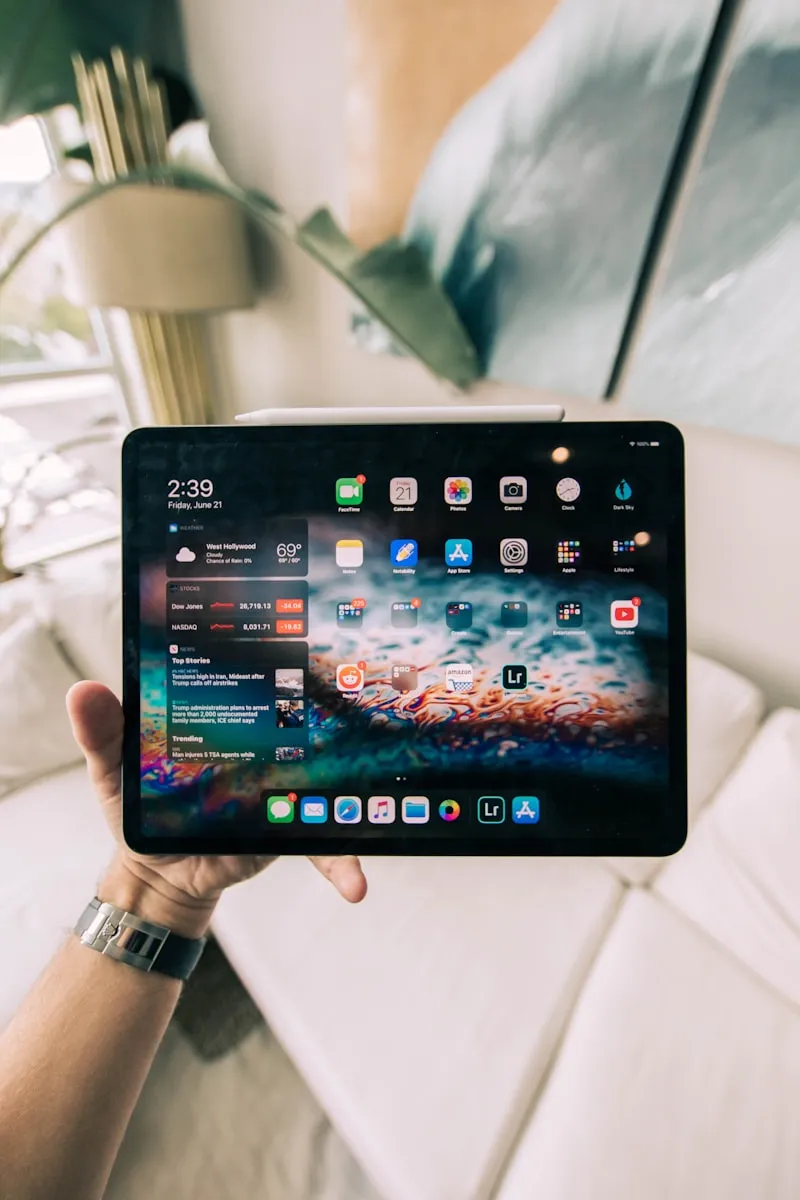
Tablets handle magazines, comics, and illustrated books dramatically better. The color display shows photographs in textbooks and children's books properly. You can use annotation apps, read PDFs with complex formatting, and switch between reading and other tasks. If you read primarily non-fiction where you frequently look things up or take notes, the tablet experience is genuinely better. If you read predominantly fiction, the e-reader wins on comfort, every time.
The Battery Life Argument
The Kindle Paperwhite gets 6-8 weeks of battery life. Six weeks. If you've ever been on a long flight with a dead tablet, you understand why this matters. The Kobo Clara 2E gets similar longevity. Even if the e-reader were otherwise identical to a tablet for reading — and it isn't, the e-ink advantage is real — the battery life alone would make it the right travel companion for readers.