Building a Home Audio Setup in 2025: Where to Start
You don't need to spend thousands to get great home audio. Here's the framework — from the basics to a system you'll genuinely enjoy for years.
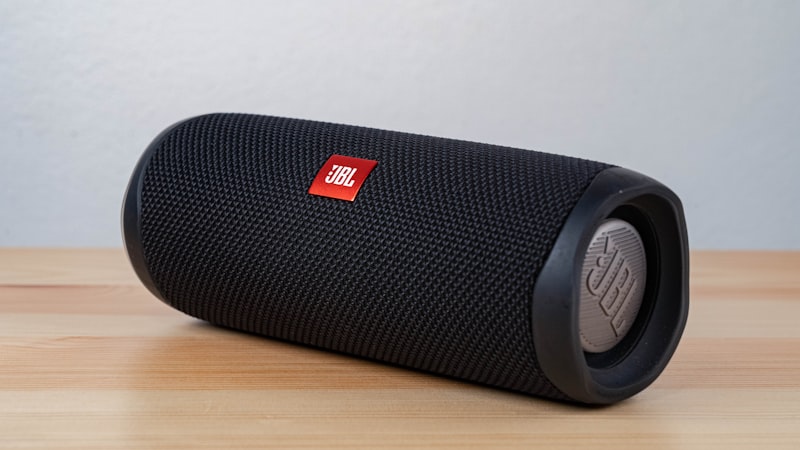
Most people's home audio setup is a Bluetooth speaker they bought at the airport and a TV with built-in speakers they've never adjusted. I'm not judging — it's where I started too. But if you've ever wondered why music sounds so much better at a friend's place or in a nice restaurant, the answer is usually simpler than you'd expect.
Step 1: The Room Is an Instrument
Before you buy anything, understand that your room matters more than your speakers. Hard floors, bare walls, and glass create reflections that make audio sound harsh and confused. Rugs, curtains, bookshelves, and soft furniture absorb those reflections and make everything cleaner. I've heard mediocre speakers sound great in a well-treated room and excellent speakers sound mediocre in a reflective one.
Step 2: Don't Start With a Soundbar
Soundbars are convenient. They're also a compromise — you get better-than-TV audio in a single unit, but you're trading actual stereo separation and dynamics for convenience. If you have the space, a pair of bookshelf speakers and a decent amplifier will outperform a soundbar at the same price every time. The Q Acoustics 3030i with a Yamaha A-S301 amplifier is around $700 total and sounds remarkable.
Step 3: Streaming Quality Matters
Apple Music, Tidal, and Amazon Music HD all offer lossless audio. Spotify's basic tier compresses music to 320kbps, which is fine on a Bluetooth speaker and clearly audible on a good system. If you've invested in decent speakers and an amp, upgrade your streaming plan — the difference is immediately noticeable on acoustic music and orchestral pieces.